Copyright © 2026 J and E Engineering Services Ltd All Rights Reserved








J and E Engineering Services Ltd.
Unit 32 Britannia Mill,
Stoneholme Road,
Crawshawbooth,
Rossendale,
Lancashire.
BB4 8BA.
Monday
Tuesday
Wednesday
Thursday
Friday
Saturday
Sunday
8:30am -
8:30am -
8:30am -
8:30am -
8:30am -
9:00am -
Closed

















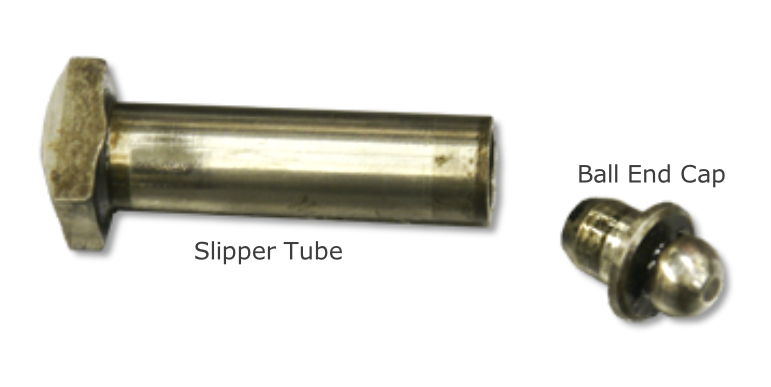
The tappet chest is a pretty unique design feature of the Daimler V8 and it does complicate things a little when compared to any other V8 engine. The tappet chest is an aluminium casting machined for sixteen slipper type cam followers. The cam followers are a two piece design consisting of slipper tube and ball end. The cam followers remain in position once the ball end is pressed into the slipper tube.
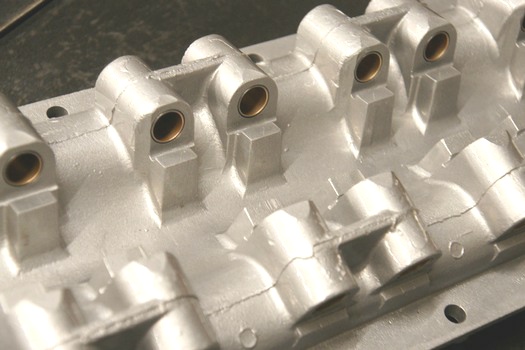
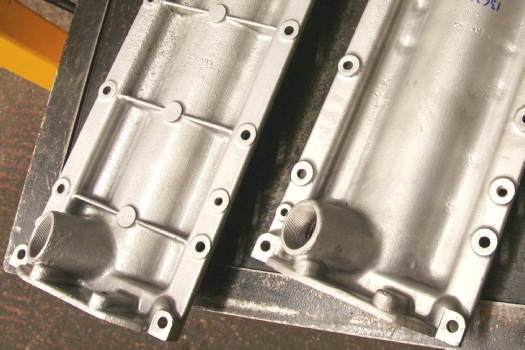
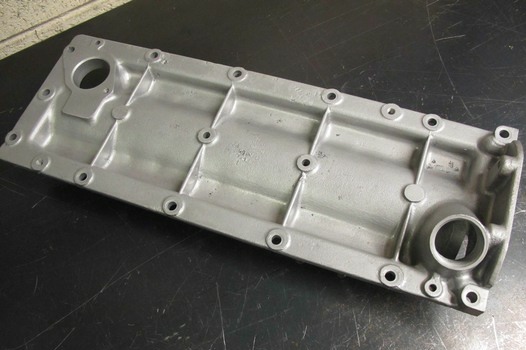
There were a few variants of tappet chest cover throughout production. Early engines had a smooth exterior tappet chest alloy casting. This was superceded in later production to a ribbed exterior for added strength. Some variants also have an additional row of bolts in the middle of the chest cover to improve rigidity. Early production tappet chest cam followers operate directly in the alloy casting while Later alloy castings had a steel backed bronze bush fitted in which the cam follower slides. The images below are examples of the different variants.


Incorrect removal of the tappet chest can result in damage to the alloy casing. Careful use of the draw bolts must be observed. The camshaft followers are not directly lubricated, they rely on a splash feed and sometimes the tube can gall in the alloy housing. The ball end that is pressed into the tube can become loose particularly if the cam followers have been stripped a few times in the past. This looseness can be a real problem as it will allow the tube to fill with oil and act a little like a modern hydraulic lifter. We call this hydraulic pump. This problem will make valve clearance adjustments very difficult as the rocker action is inconsistent. You cannot see if the ball end is loose with the engine assembled. This problem can result in an irritation tapping noise when running. Extreme cases can see the ball end becoming dislodged completely resulting in engine damage.
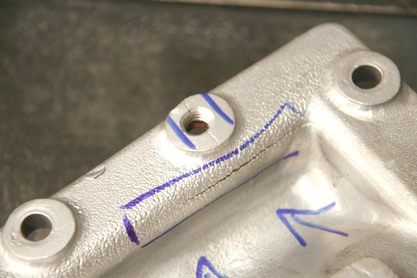
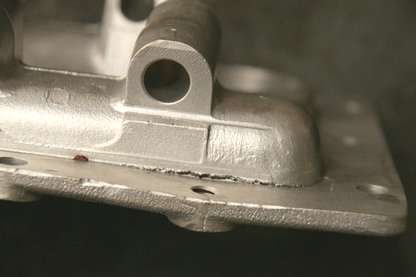
Broken casting due to improper removal
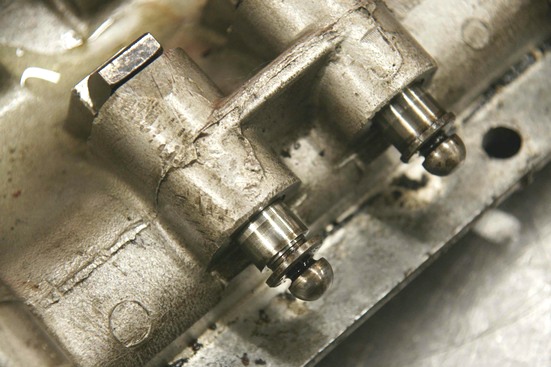
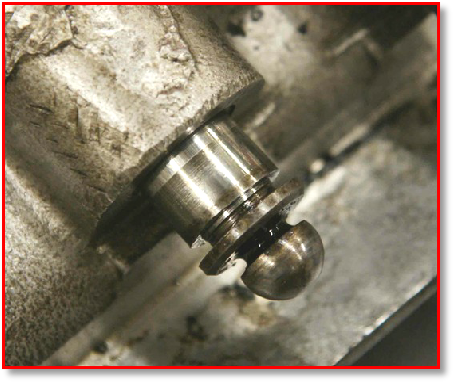

Here you can see a ball cap that is loose within the follower tube. This can manifest itself as a tapping noise when running and make valve clearance adjustment difficult.
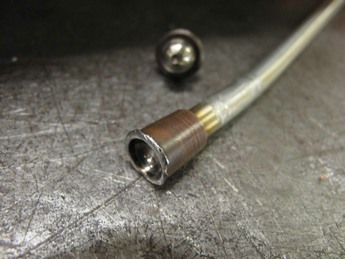
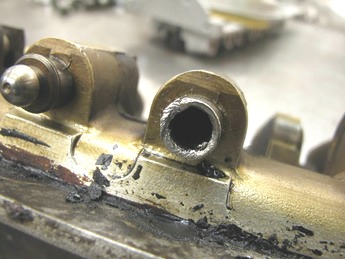
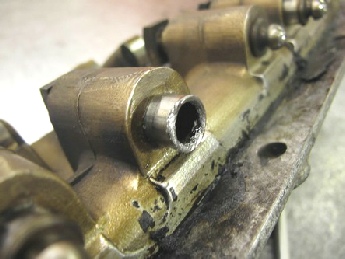
Above: Images of a cam follower where the ball cap has been lost completely resulting in damage to cam follower, alloy casting and pushrod. Fortunately no damage to the camshaft. Extensive engine disassembly required to repair.
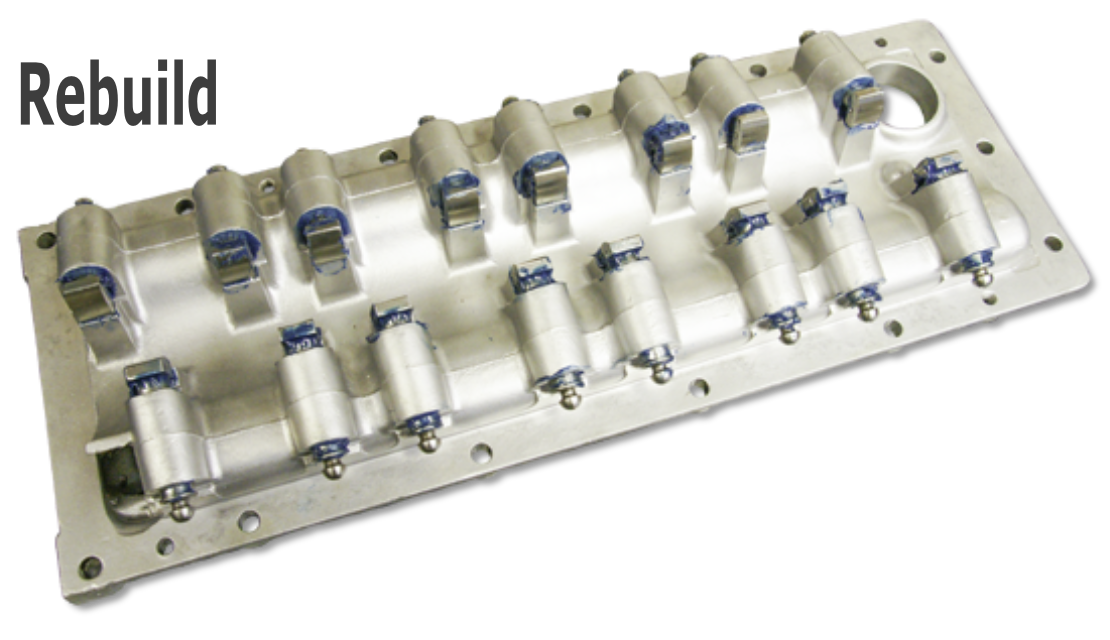
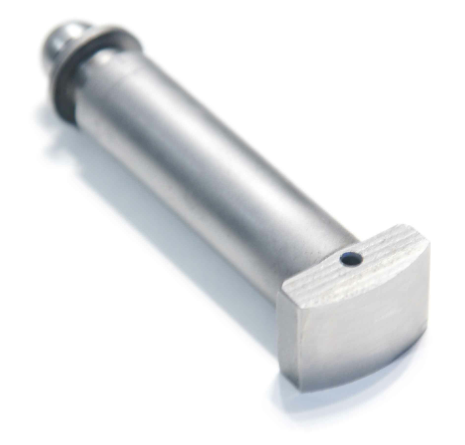
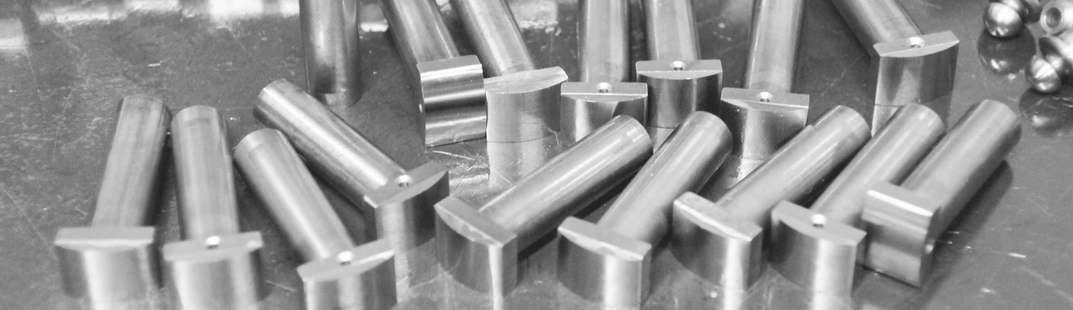
One of our modified cam followers.


Re-


Two hole Cross drilled to allow the follower tube to drain of any air or oil pressures. This modification eliminates hydraulic pump and improves reliability

Re-

Fully vapour honed and polished tube

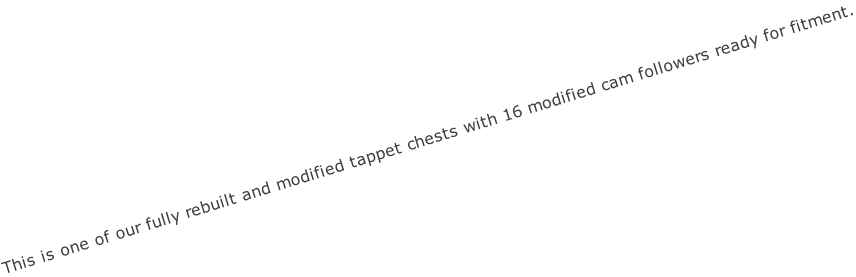
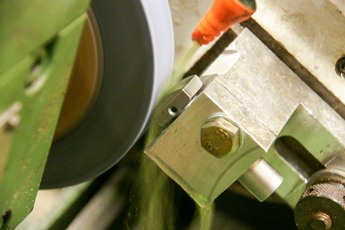
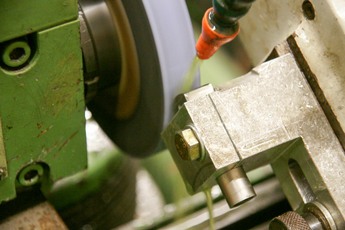
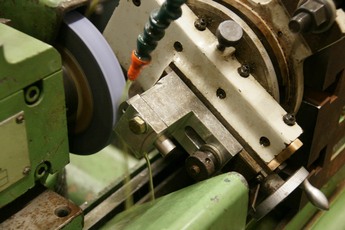
Here you can se how we re-

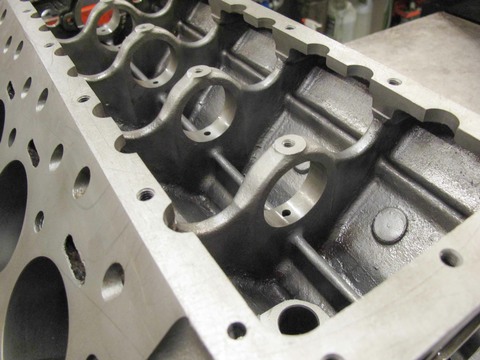
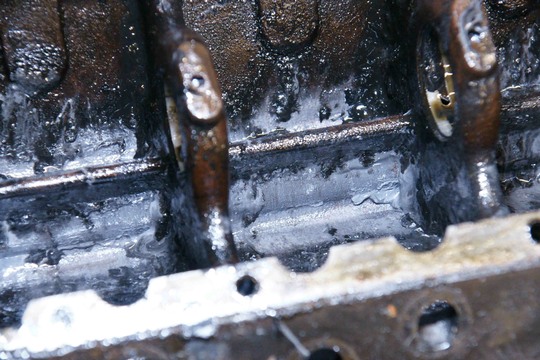
Underneath the tappet chest cover you will be able to see the camshaft and bearing housings. Again the camshaft lobes and follower base pads are only lubricated by splash oil feed not dissimilar to many other V8 engine designs. The Daimler V8 however uses a slightly different approach of using oil baths below the camshaft to promote the splash feed. These baths are permanently filled with engine oil and do not drain back to the sump when stopped. This can promote scoring and scuffing on the camshaft lobes and followers as the oil cannot be filtered if contaminated. While the tappet chest cover is removed it is important to scrape and clean out the oil baths.
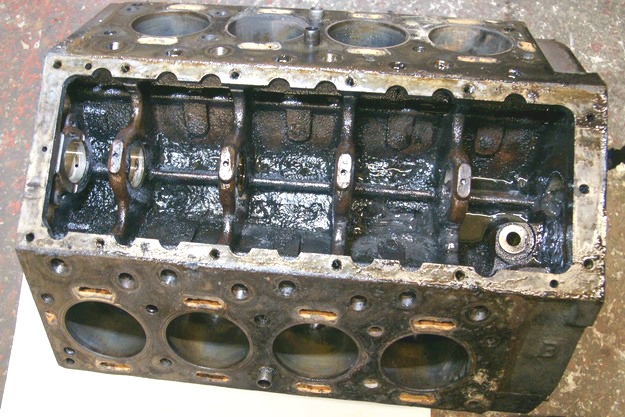
Here you can see a cylinder block with camshaft removed. There are 10 oil baths in total which provide lubrication for the camshaft lobes and cam followers. The camshaft journal bearings are pressure fed from the main gallery and are not in discussion here. Over time sediment will settle in the bottom of the oil baths and form a grease/paste. This must be cleaned out during rebuild or maintenance work.
Below Left: You can see the greasy paste during cleaning the grey colour is a mix of oil, water and metal sludge.
Below Right: A fully clean & prepared cylinder block