J and E Engineering Services Ltd.
Unit 32 Britannia Mill,
Stoneholme Road,
Crawshawbooth,
Rossendale,
Lancashire.
BB4 8BA.
Monday
Tuesday
Wednesday
Thursday
Friday
Saturday
Sunday
8:30am -
8:30am -
8:30am -
8:30am -
8:30am -
9:00am -
Closed

















Oil losses are not just confined to the cylinder block and sump areas. The cylinder head has been plagued with oil leaking issues since production. The hemispherical combustion chamber and Vee configuration while great for efficiency and performance makes spark plug location and accessibility difficult. This created the need for a spark plug tube which screws directly into the centre of the cylinder head one for each cylinder and is a common oil leak area. An external oil feed from the block to the cylinder head rocker assemblies can also be a source of leaking oil. On this page we will discuss these problems and look at the solutions that we offer.

Each cylinder head has a core plug fitted at both ends of the casting. Early heads had a screw in plug which was then superceded to a steel dish type plug with rolled edge to help retain. Both types can leak due to corrosion and/or age and will require replacement which sounds a lot easier tan it is.
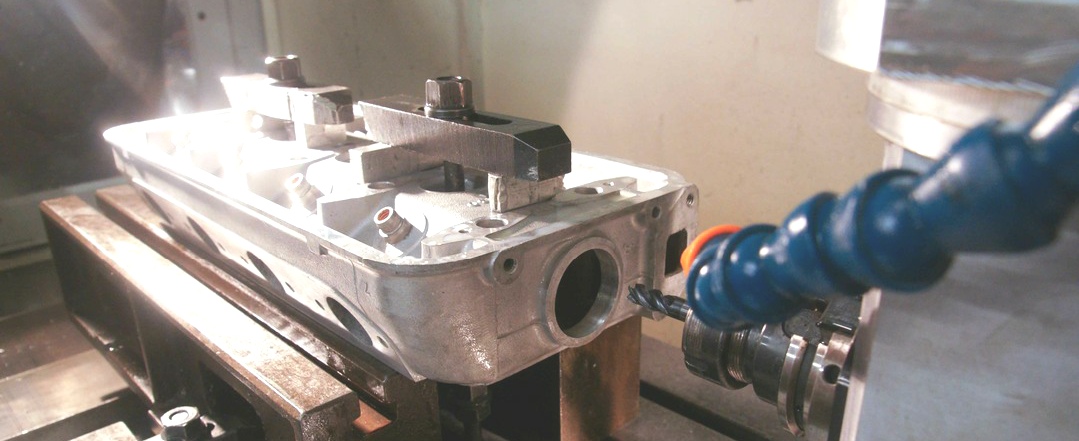

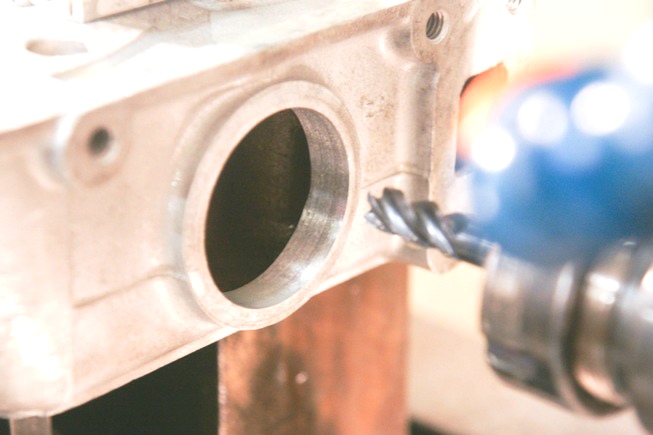
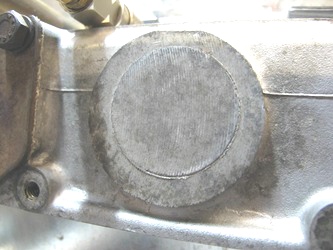
The images below show the different types of cylinder head core plug you may encounter. Whatever type you have they must be replaced as the corrosion takes place from the inside. Painting the outside and hoping for the best is futile. The rolled edge of the dish type make replacement with the same type difficult and you cannot be sure that the plug will not come out in service while under pressure. We remove the old plug and machine the cylinder head using our CNC milling machine then fit a modern cup type core plug. This is a tried and tested method used in modern alloy engine castings. If you have the screw-
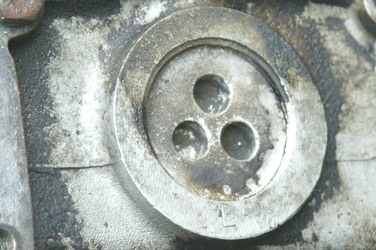
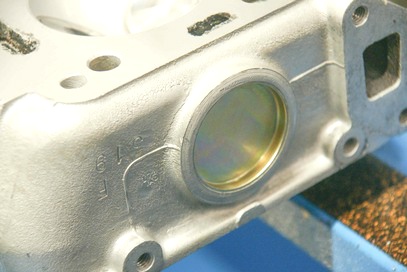
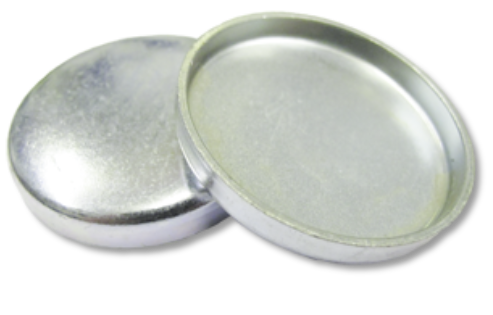
A neat and tidy job that enables proper cleaning out of the coolant cavity improves reliability and makes core plug replacement in the future much easier. An essential modification for your engine rebuild.

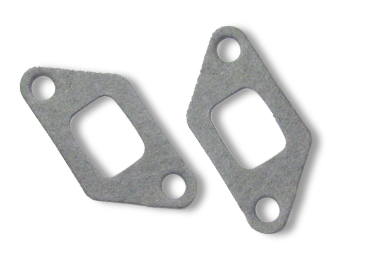
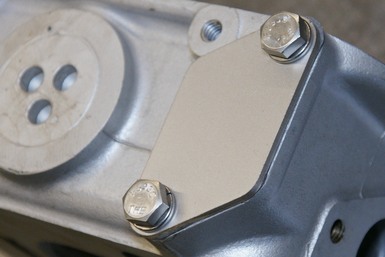
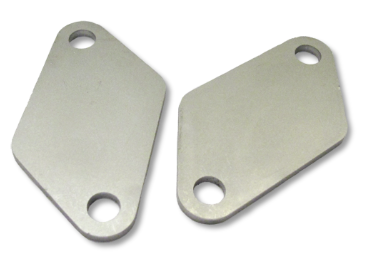
At the rear of each cylinder head you will find a coolant passage blanking plate. Originally made from mild steel these plates can also corrode in the same way as the core plugs seen above. These plates however are much easier to replace as they simply bolt in position with a gasket. We supply new laser cut stainless steel blanking plates supplied with new gaskets and stainless bolts. See the products pages for more information.


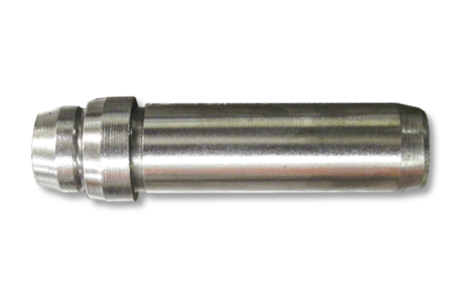
The Daimler V8 engine does not use valve stem oil seals as standard. As the valve stems and guides wear oil can be drawn into the cylinder through the combustion process and out through the exhaust as blue smoke. When the engine is turned off engine oil will pool on the exhaust sides of the cylinder heads (Biased because of the Vee configuration) as it slowly drains back to the sump. Some oil will rundown the exhaust valve stems and straight into the cylinder or pool behind the exhaust valve seat. When the engine is restarted the oil is burned and again emitted as blue smoke. Of course worn cylinder bores and worn or damaged piston rings can also create similar symptoms so it is important to get the diagnosis correct. Below you can see how a modified valve guide with stem seal is fitted to alleviate this issue.

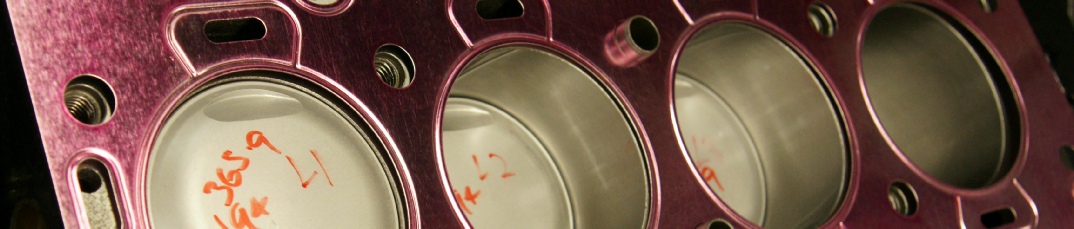
With regards cylinder head gasket selection there are a couple of options. SLS Single layer steel (As original) or composite. This topic is discussed in greater detail on a dedicated web page which you can view by clicking the button below.

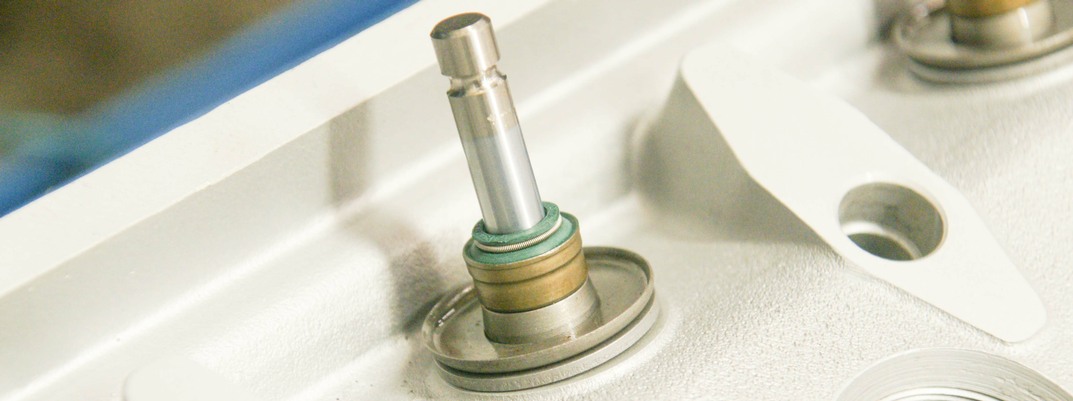
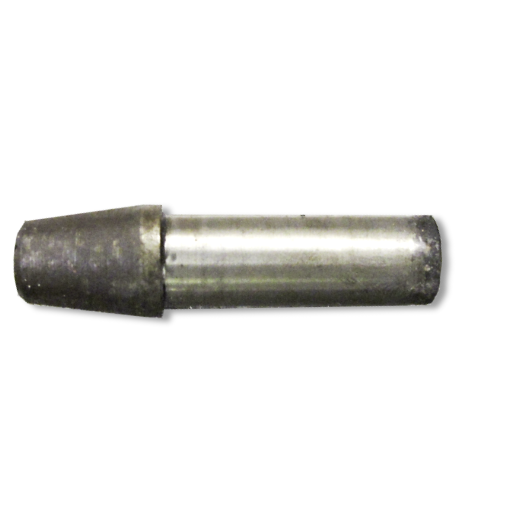
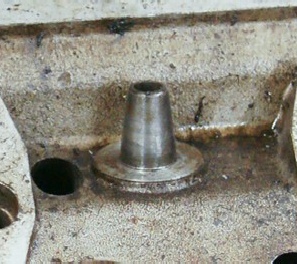

This is an image of the standard type valve guide removed from the cylinder head. The image right shows the same guide fitted in position. Below our modified valve guide with valve stem oil seal capabilities. We fit this modification to both intake and exhaust positions, the oil seal we use is made from Viton to give the best service life. The steel cage around the seal helps keep it stable and secure as it is subject to high temperatures
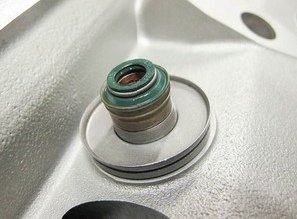
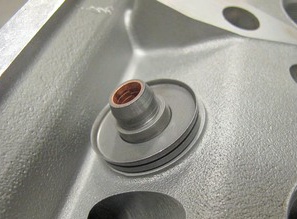

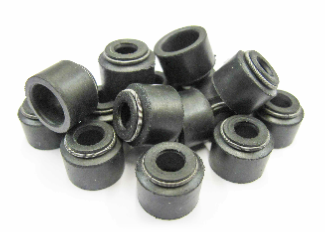
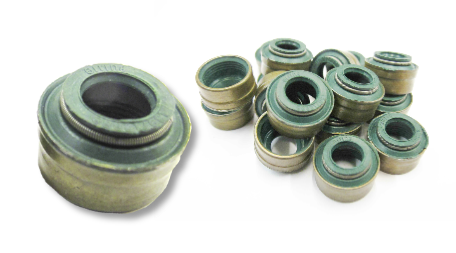
Valve stem oil seal modifications are not a new idea for this engine. In days gone by a seal taken from and Austin Mini was utilised however there are some shortcomings. The Mini seal is only suitable for an 9/32” valve stem and the Daimler V8 valves are 5/16” stem diameter. This means that the Mini seal grips too tight and wears quickly limiting long term life. The second issue is that it is made from nitrile rubber as this was the best material available at the time. Unfortunately as the nitrile rubber ages it will become hard and can break up in extreme cases. The Viton (Green) seal below right is a modern seal still in use today by modern engine manufacturers. It has the correct internal diameter 5/16” it has a steel outer shell to help retain shape and fit around the valve guide when subject to high temperatures. A point contact lip seal helps keep friction and heat to a minimum. Viton seals will outlast Nitrile rubber seals by about twice.









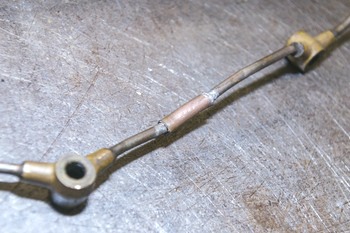
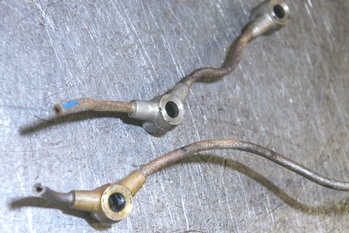
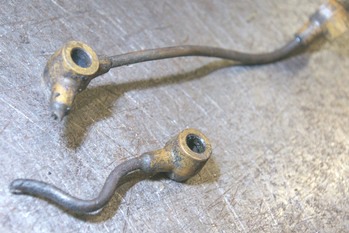
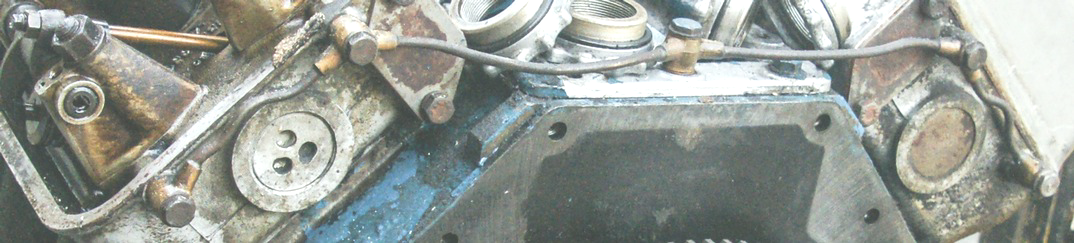
The external oil feed pipe from the block to the cylinder heads, is now over 60 years old. Over tightening & bending can take its toll and the steel mid-
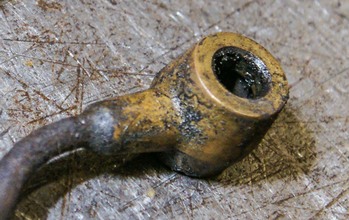
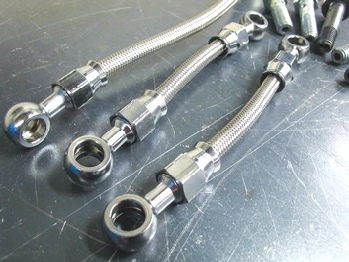
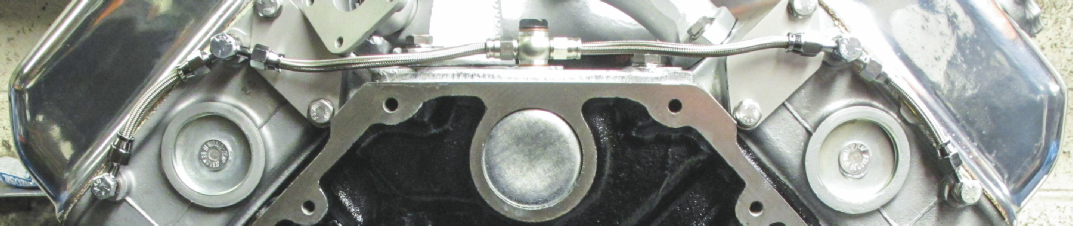
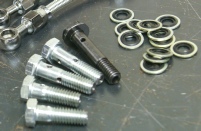
Our new stainless steel braided oil feed pipe has been built to withstand pressures of up to 800psi and temperatures up to 260°C. It comes in three sections and is supplied with new banjo bolts and bonded sealing washers. The use of flexible braided hose makes the pipe assembly resistant to vibration and eliminates the chance of cracking or breaking. Our design also allows the pipe to be taken apart so that it can be cleaned out fully if required.
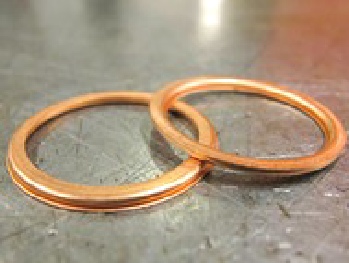
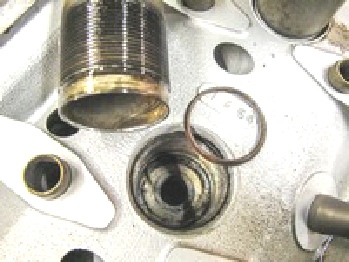
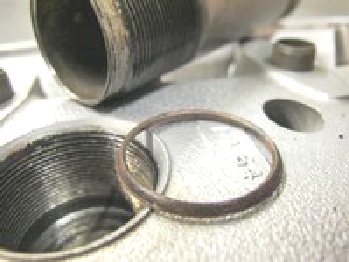
Oil leaks within the sparkplug tubes are so prevalent within the Daimler V8 engine we have a whole page dedicated to the problem and can finally offer a bona fide solution rather than a ‘cockup’ repair, for the first time in over 60-

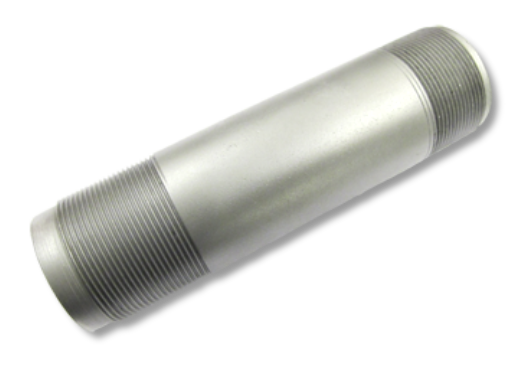

Our in-
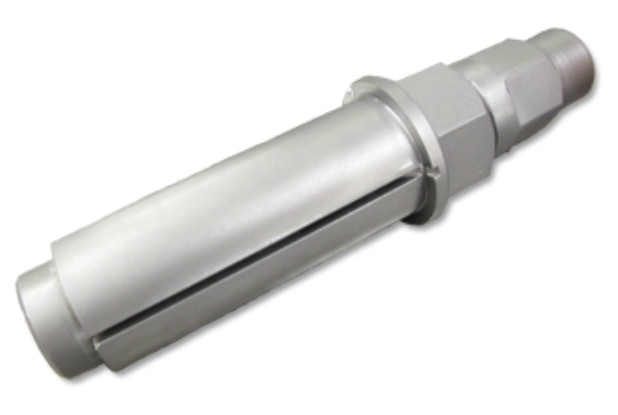
This is our plug tube removal and install tool. Plug tubes can be really tough to remove and most people have to resort to a pipe wrench or stilsons to get them out. This method can damage and distort the thin wall tube and make a real mess of things. Our removal tool slides inside the plug tube and grips from within using an expanding sleeve and taper. As it does not attach or clamp to to the fragile threads of the tube it cannot damage them like other tools available. This tool can be used with the cylinder heads on the bench or in situ under the bonnet without causing any damage to the plug tube or cylinder head.

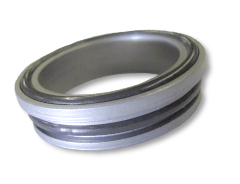
 Spark Plug Tube Removal

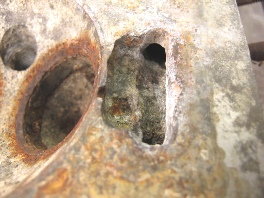
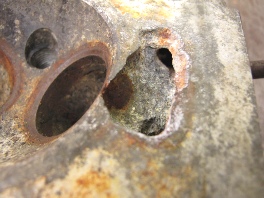
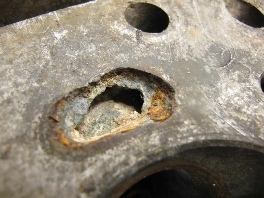
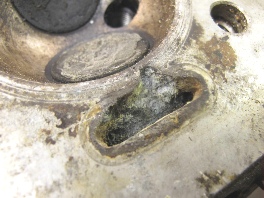
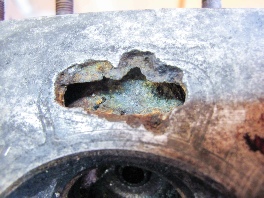
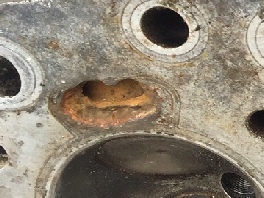
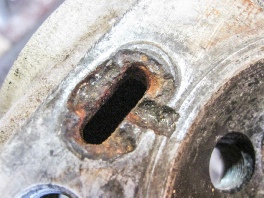
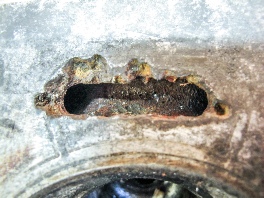
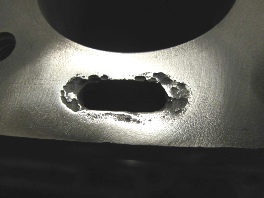
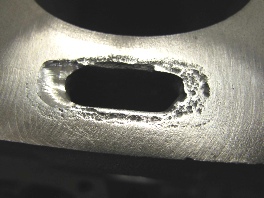
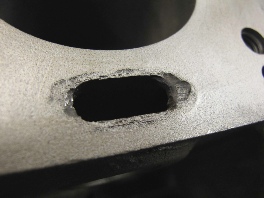
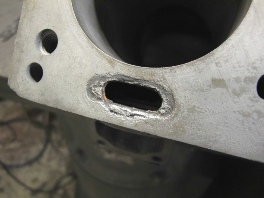
Alloy cylinder heads, steel cylinder head gasket and cast iron block are a concoction of dissimilar metals that don't play nicely together. This combined with the lack of good corrosion inhibitors in the cooling system during a 60 year life span can leave your cylinder heads looking like these examples. Not good whichever way you look at it. The only true repair for this issue is to remove the corroded material and tig weld repair the damaged areas. The coolant passages are then re-
 Valve Guide Info