J and E Engineering Services Ltd.
Unit 32 Britannia Mill,
Stoneholme Road,
Crawshawbooth,
Rossendale,
Lancashire.
BB4 8BA.
Monday
Tuesday
Wednesday
Thursday
Friday
Saturday
Sunday
8:30am -
8:30am -
8:30am -
8:30am -
8:30am -
9:00am -
Closed

















Cylinder re-
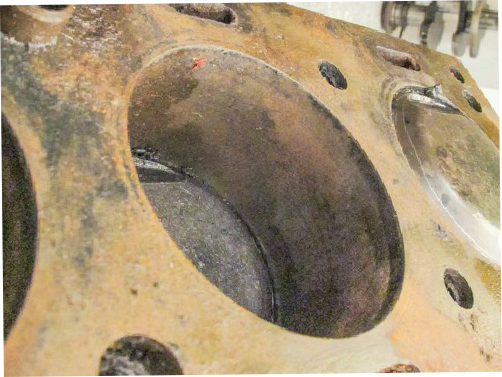
Corrosion/rust. Poor Storage Conditions
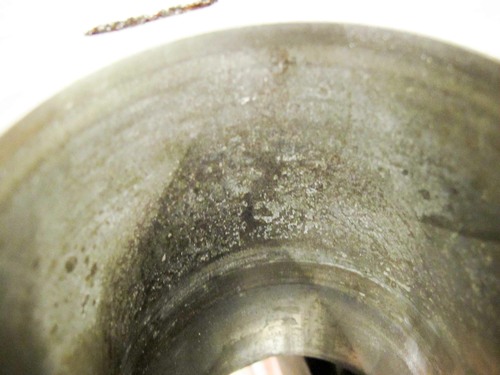
Corrosion. Water ingress
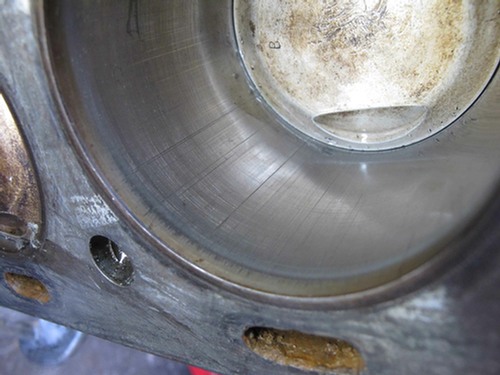
Foreign body entrapment vertical scoring
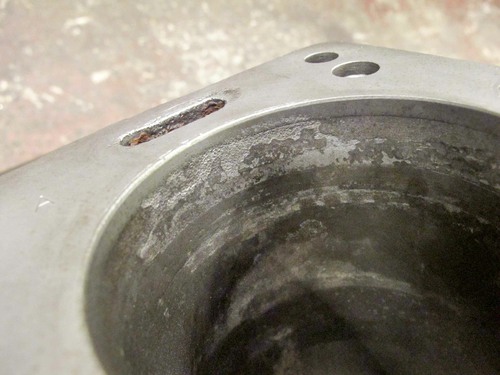
Corrosion and wear
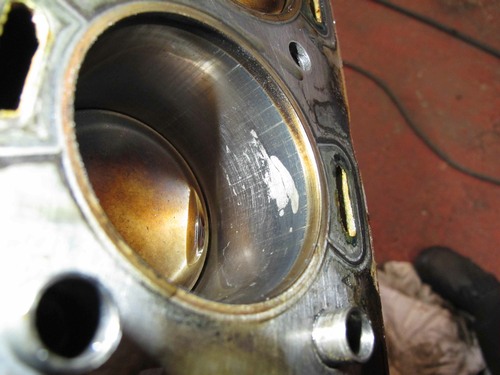
Water damage, glazing and vertical scoring
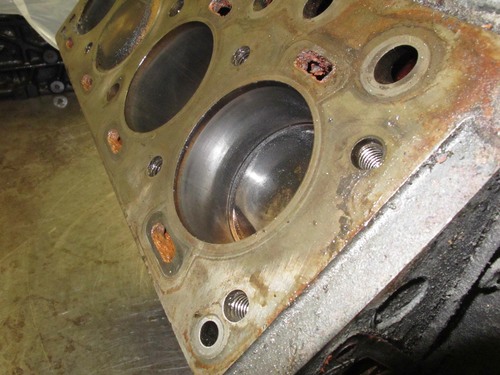
Heavy Glazing & Wear
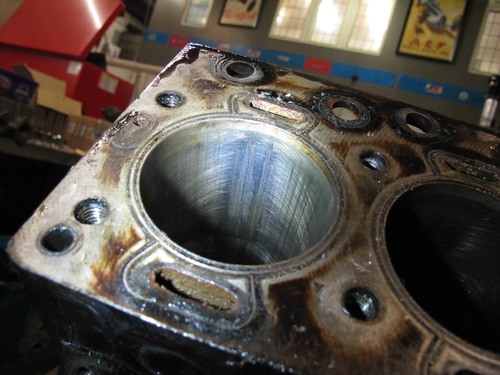
Partial Seizure & Pick-
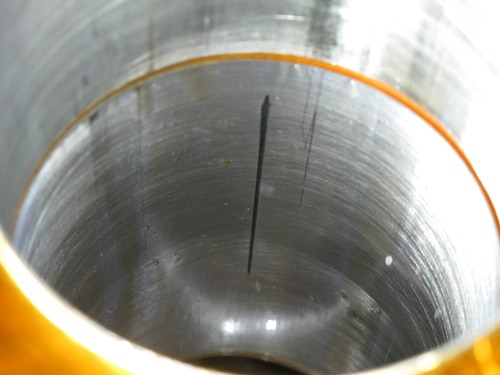
Deep Vertical Scoring Due to Broken Ring
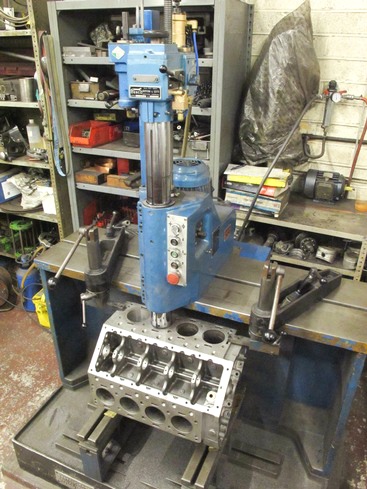
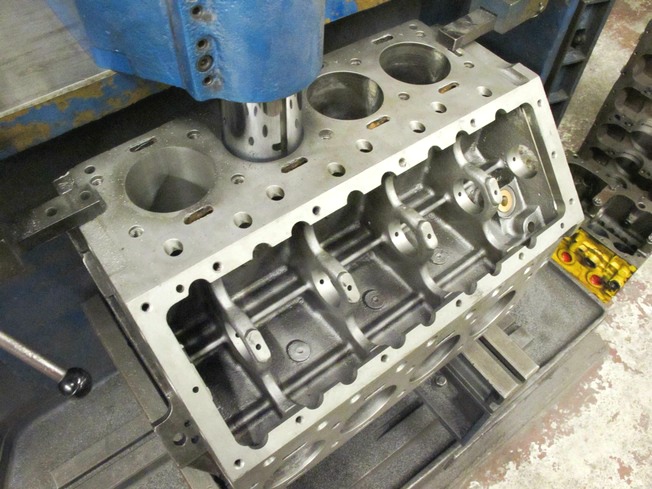
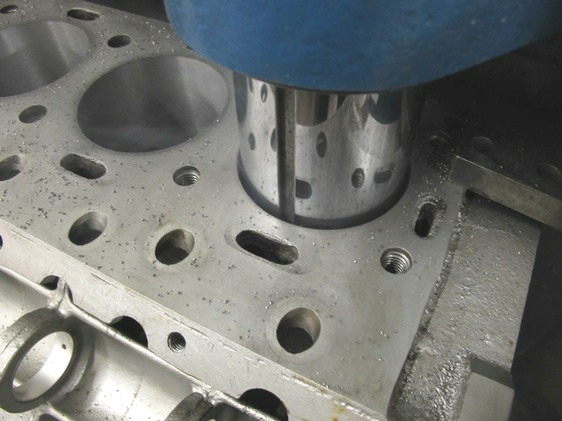

After an initial cleaning & crack testing procedure the cylinder block can be mounted on our dedicated cylinder boring machine. The block is levelled using the deck as a reference and then clamped to prevent movement during machining. Our boring machine has an integral centralising finger arrangement in the boring head that makes for fast, easy, accurate centre finding of the cylinder bore. The whole boring head can float on an air cushion when centralising and moving from cylinder to cylinder before being clamp securely in position. We bore our cylinders to within .005” of finish size which allows enough material for finalizing the bore by honing. Honing is the finesse side of the re-


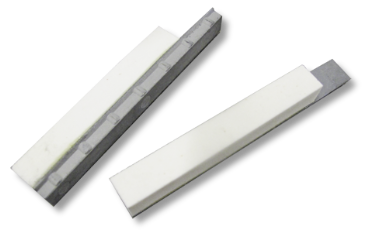
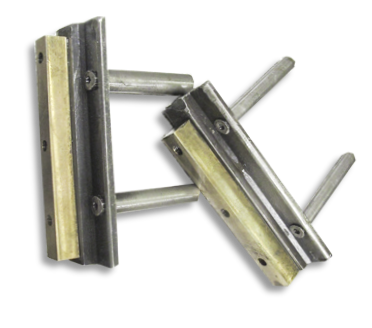

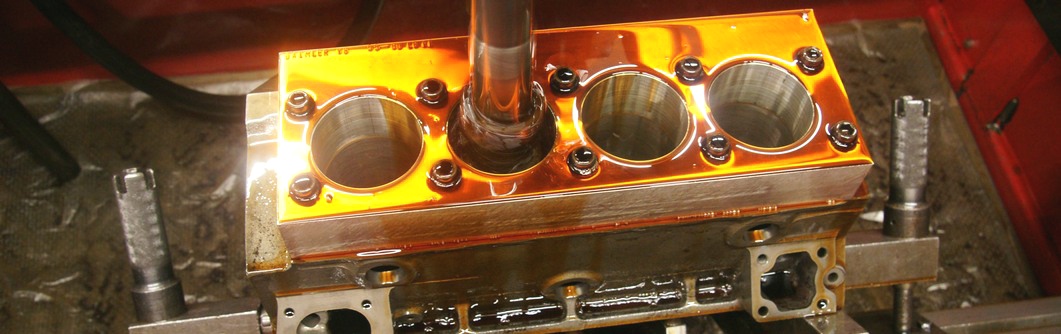
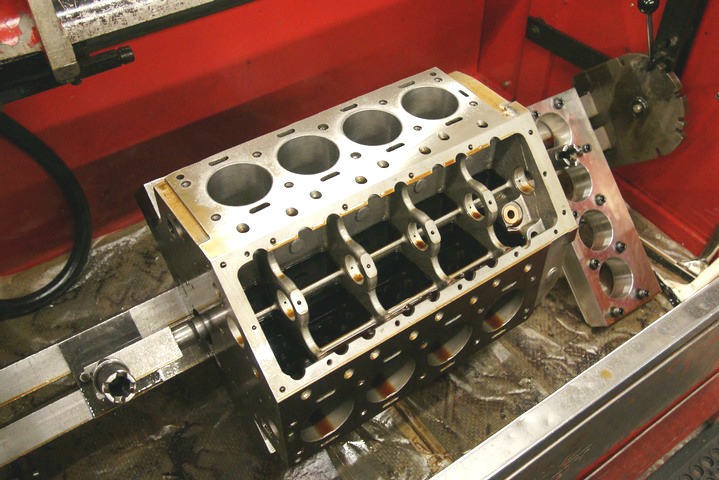
The cylinder block is moved from the boring machine and mounted into our ‘Sunnen Cylinder King’ honing machine. It is important to note that all main bearing caps are fitted and torqued to the correct tightness prior to honing. This allows for any cylinder bore stresses to be accounted for. We then mount a ‘Torque Simulation’ plate or torque plate to the bank to be honed. This also allows for any block stresses to be accounted for. (Note: it is important that the deck faces have been machined flat prior to fitting the torque plate).
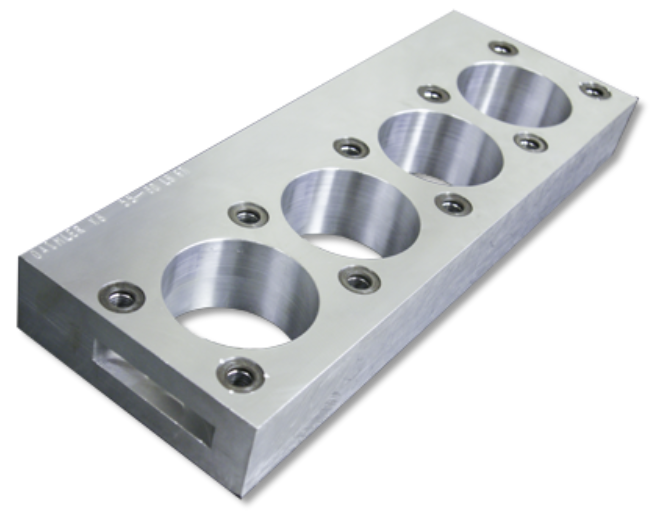
This is our ‘Torque Plate’ specifically for the Daimler V8 engine. It is made from aluminium, same as the cylinder head and is bolted down to the cylinder block head gasket face (Deck) in the same manner as the cylinder head. We even use a steel shim to simulate the gasket and protect both mating surfaces.

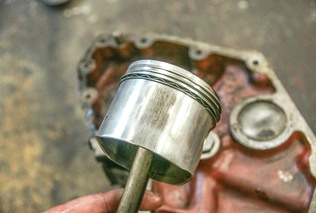
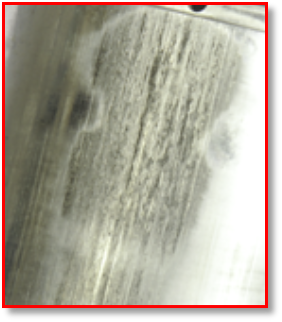
Every Daimler V8 engine we strip shows some sign of piston skirt pick-
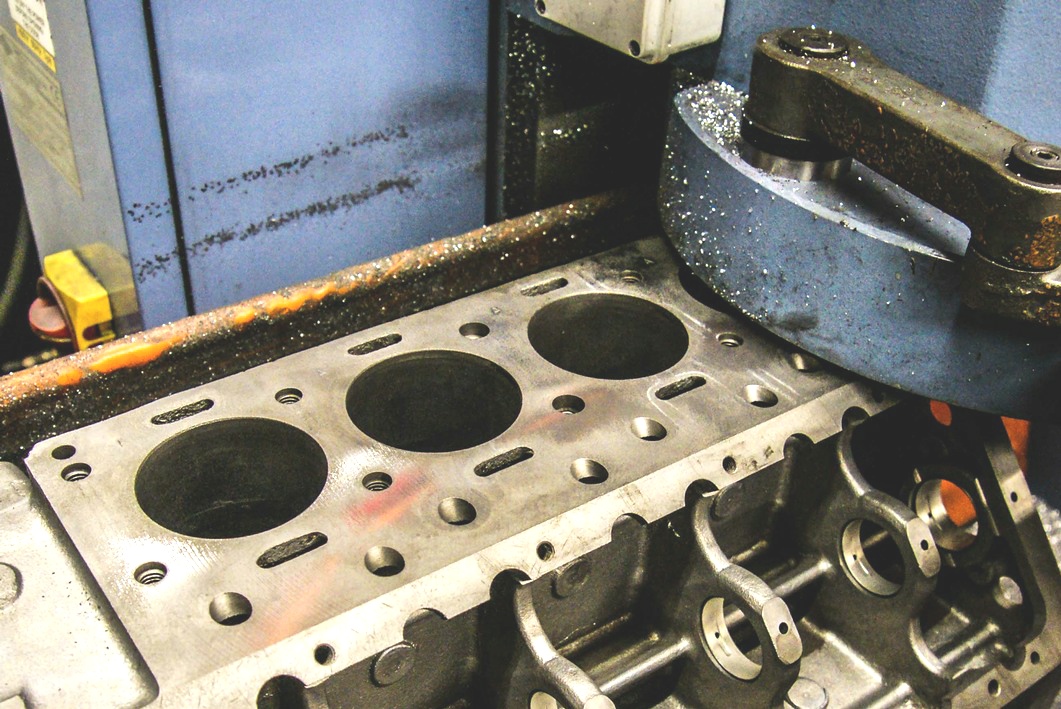


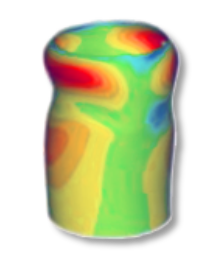
Cylinder shape with head fitted when honing without a torque simulation plate.
Above some examples of the piston galling, pick-
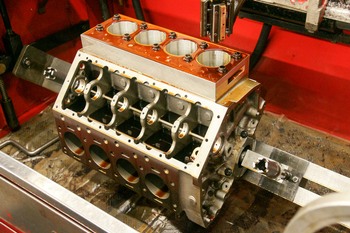
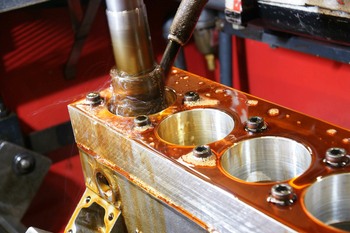
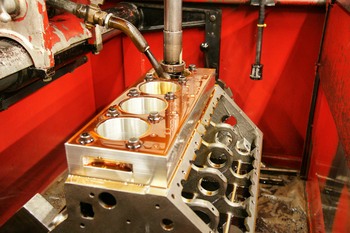

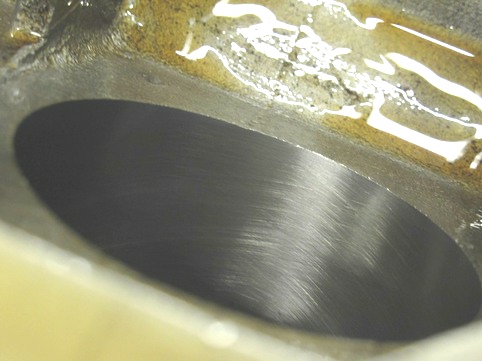
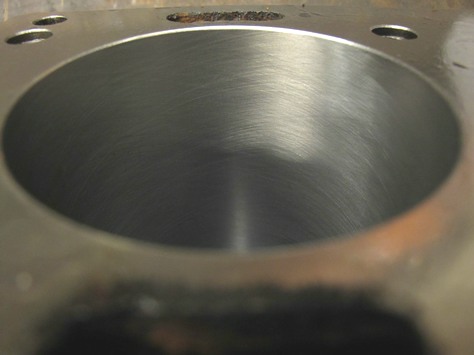
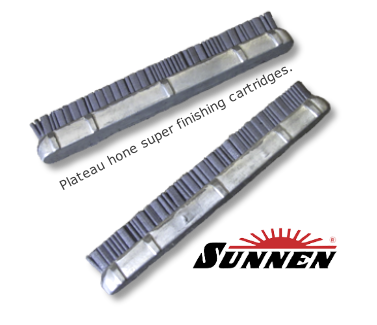
The standard honing procedure mentioned above is achieved using a 225 grit vitrified honing stone set until the cylinder is round and true, free from ovality and taper and of course at the correct diameter. Honing in this way creates a cross hatch pattern of microscopic peaks and valleys (You cant have one without the other at this stage) on the cylinder wall. Valleys are good as these retain engine oil and are critical for correct cylinder and ring lubrication. Peaks are not so good and under normal circumstances these are removed once the engine is running as the piston rings shear them off this is called ‘running in’, ‘bedding in’ or ‘break in’ period. This will contaminate the engine oil and is stressful for the rings which can wear prematurely during this period. Plateau honing is a super finishing process that removes all the sharp peaks while retaining the important valleys. This greatly reduces if not eliminates the amount of ‘Running in’ required and prevents any accelerated piston ring wear and oil contamination by leaving the worn off peaks in our honing machine and not in your engine.

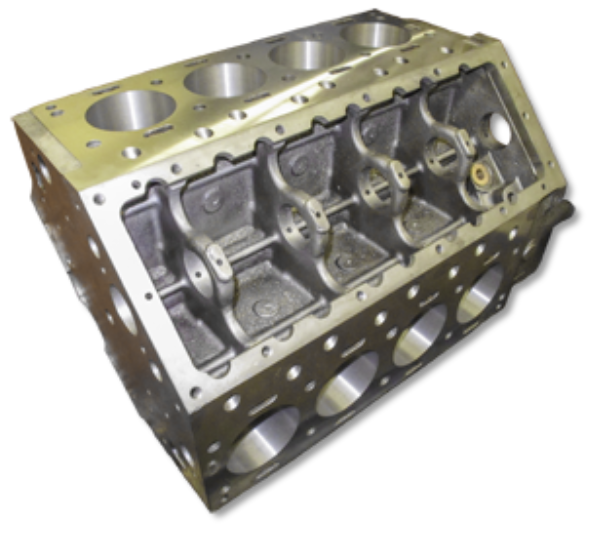
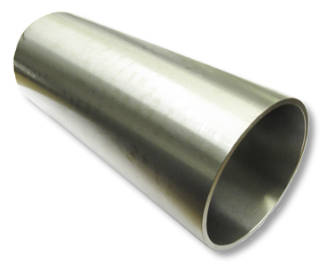
Sometimes corrosion can be too excessive or scoring too deep. These problems can be repaired by fitting a cylinder liner and boring back to a desired size. Over the years we have developed a 3 factor liner retention method to eliminate the chance of liner slip. We fit all our liners to a stop or register at the bottom of the cylinder and machine the top of the liner during the deck machining operation. This ensures that the liner is trapped between top and bottom and not solely reliant on interference or press fit. Single liners can be replaced as part of a full re-
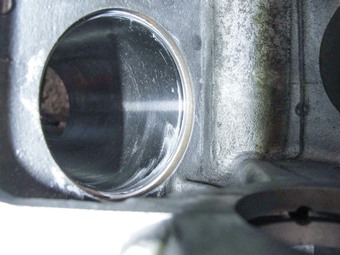
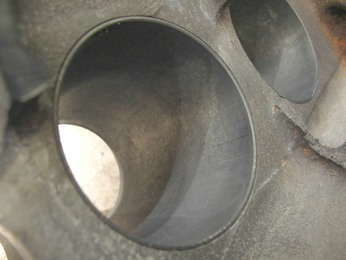
Above: Image of a liner with no retention and only relying on the interference fit to prevent movement.
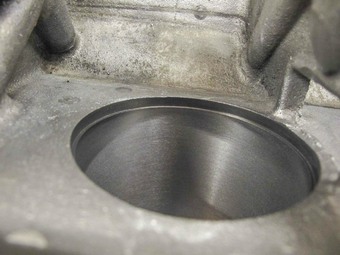
Left: Two images of our liner fitting method, press fit, top machined flush with deck and bottom register. This cylinder liner cannot slip downwards under any circumstances.



All J & E Engineering re-