J and E Engineering Services Ltd.
Unit 32 Britannia Mill,
Stoneholme Road,
Crawshawbooth,
Rossendale,
Lancashire.
BB4 8BA.
Monday
Tuesday
Wednesday
Thursday
Friday
Saturday
Sunday
8:30am -
8:30am -
8:30am -
8:30am -
8:30am -
9:00am -
Closed



















Unfortunately cylinder block crack failures are not uncommon with the Daimler V8 engine. A freezing event in the distant past is the usual cause due to lack of anti-
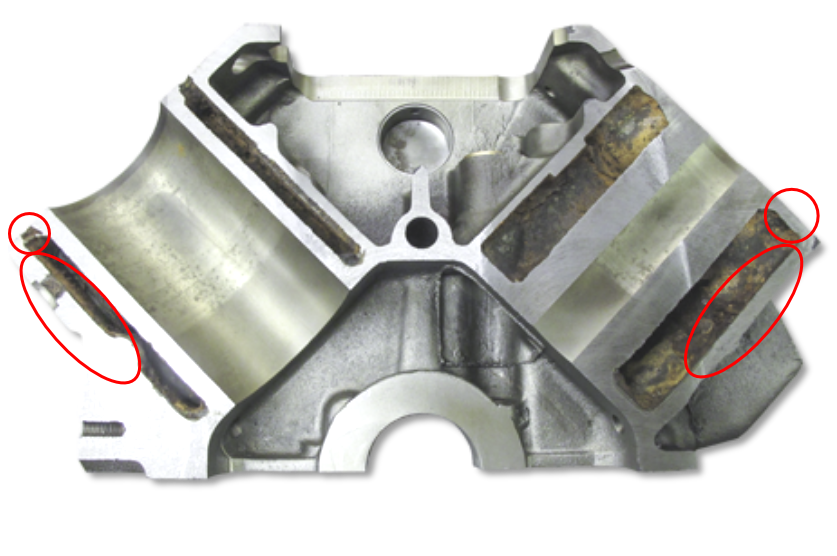
Here a sectional view of the cylinder block rear. The coolant cavity can be seen clearly and the weak areas where cracks usually occur highlighted in red. It is interesting to see just how thin the cast iron is in places. The casting as at its thinnest within the camshaft valley however this area is insulated by the tappet chest and therefore less likely to freeze. This is why any cracks usually propagate at the extremities.
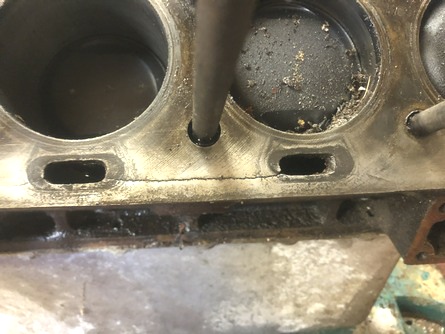
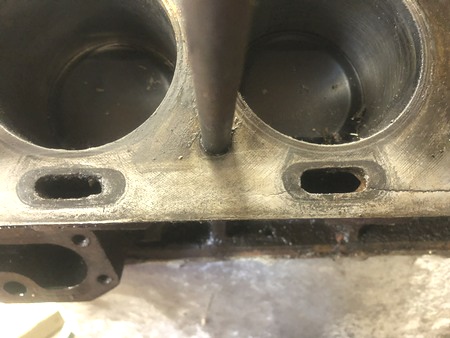
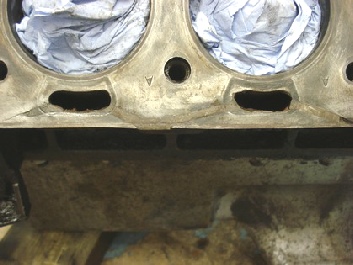
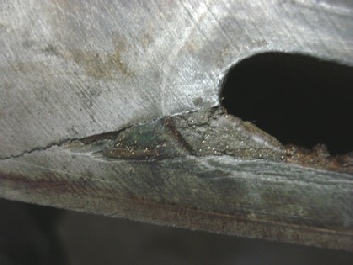
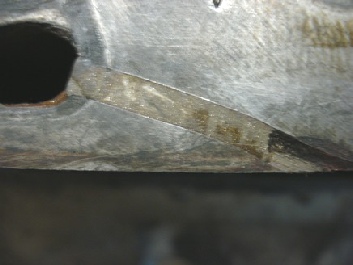
The most common place you will see a crack is on the block deck faces in between the coolant passages. This is why you must take care when removing the old cylinder head gaskets and remain vigilant at all times. The images below show a cylinder block that had been repaired by ‘Digging out’ a crack and filling with a chemical resin. Needless to say this repair has a very short life expectancy and is not advised.
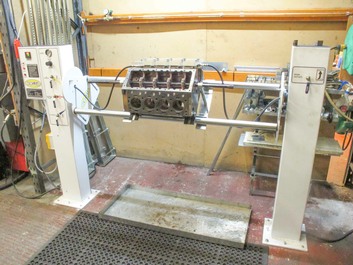
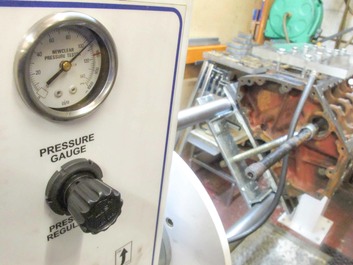
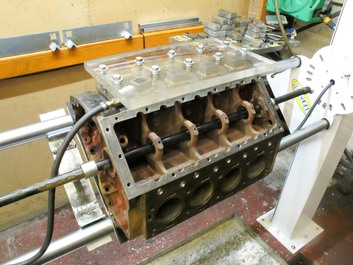

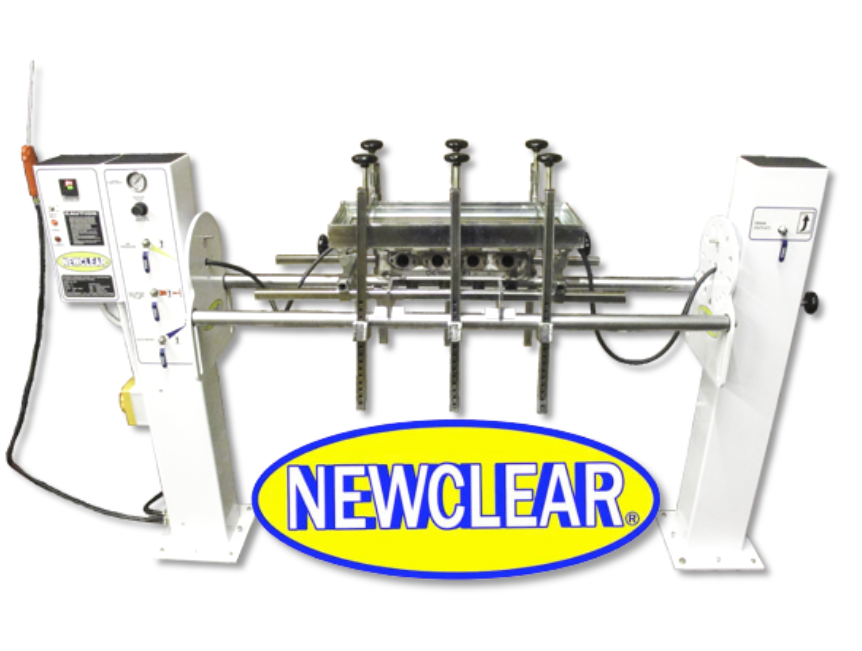
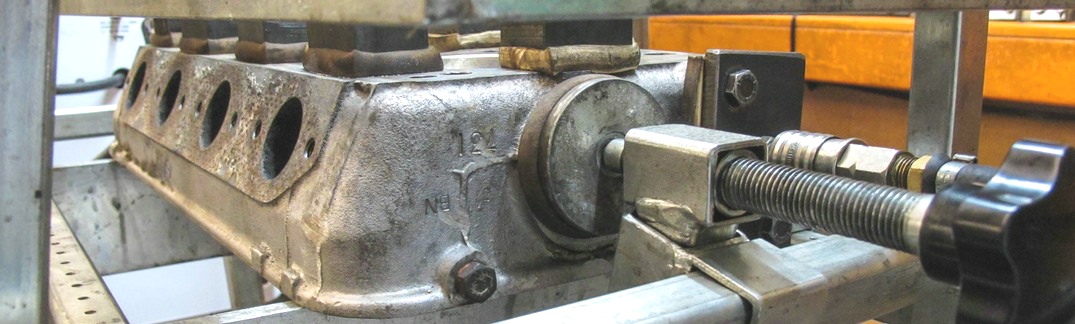
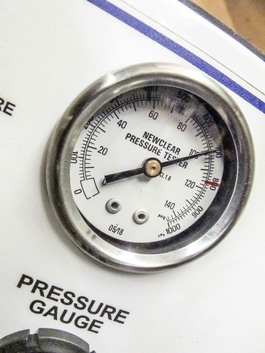
Porosity and hairline cracks/fractures are less obvious to see and we need to pressure test the cylinder block in order to find them. We use a ‘Newclear 150’ pressure testing machine as seen here. A pressure test tries to simulate working pressures of the engine coolant system by pressurising the coolant cavity with compressed air. Our pressure testing machine allows for preliminary air test up to 8bar followed by a hydraulic test with the coolant cavity filled with water and then subject to air pressure up to 8bar. A third test allows the water used in the hydraulic test to be heated which is then subject to air pressure up to 8 bar. Any cracks are indicated by a drop in pressure and water leaking from the problem area.
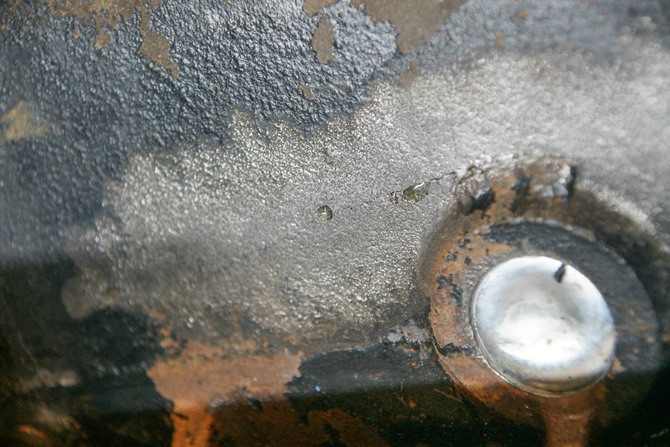
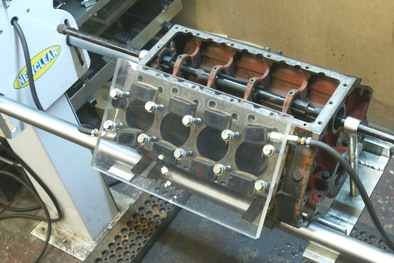
This saloon cylinder block looked good on the surface and first impressions were good. During pressure test, water was seen coming from the side of the block underneath the black paint. The paint was wire brushed and small droplets could be seen emanating from what looked like a crack. This only showed up using a hot hydraulic test at 4.5bar.

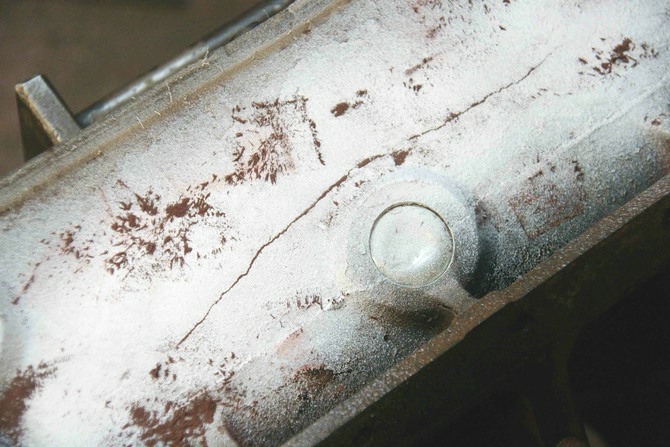
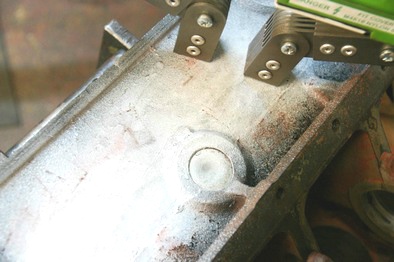
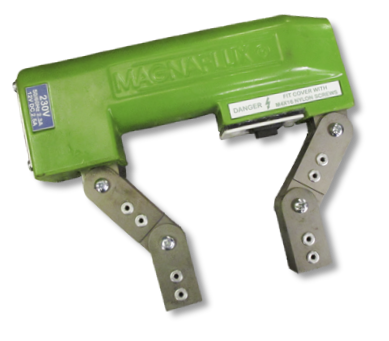
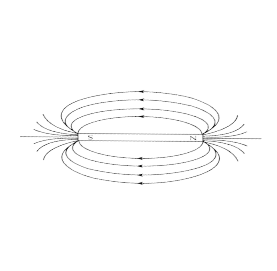
For difficult to see cracks we use a ‘Magnaflux’ yoke. This is a non destructive test that uses magnetic powder to and a magnet to show the crack or flaw no matter how small it might be. The base metal is prepared by coating with a high contrast matt paint. The magnetic powder is applied to the part and the magnet yoke tuned on. Any cracks will cause a break in the magnetic field causing the magnetic powder to disperse around the break. Once dusted off the extent of the crack can be seen easily and confirmed what we had learned from the pressure test operation. A repair procedure can then be decided by either welding,metal stitching or in this case replacement.





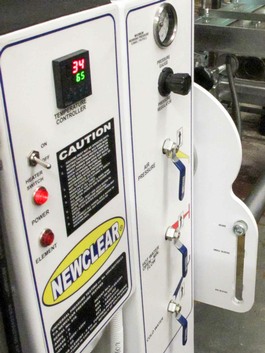
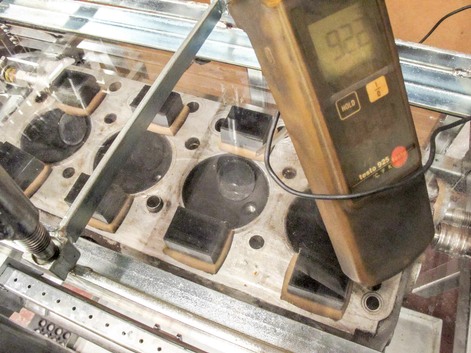
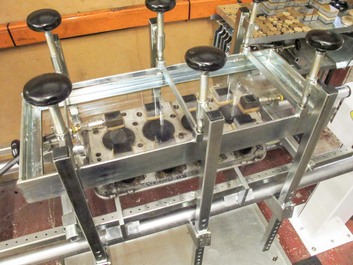
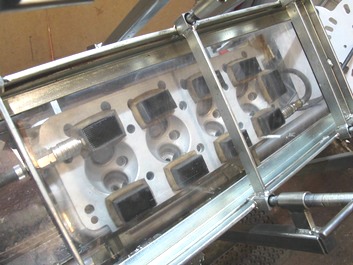
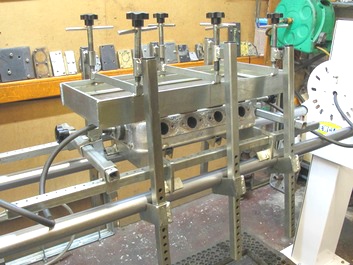
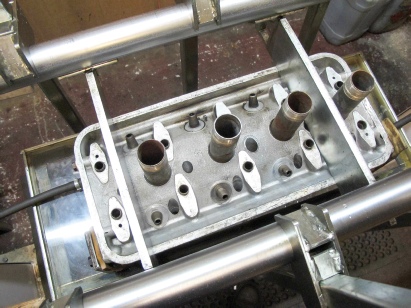
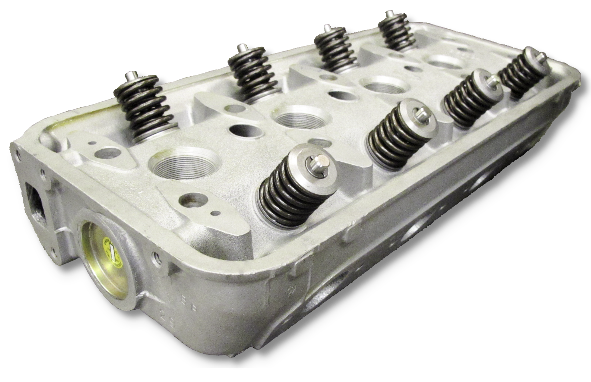
Daimler V8 cylinder heads are pressure tested in the same manner that blocks are. 3-
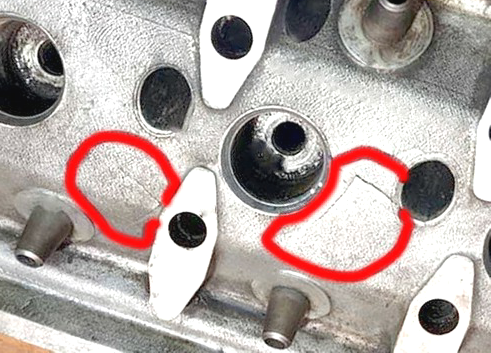
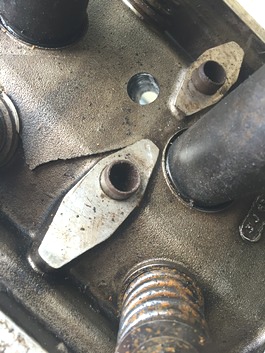
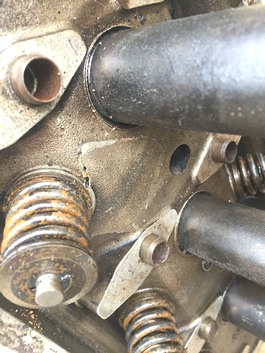
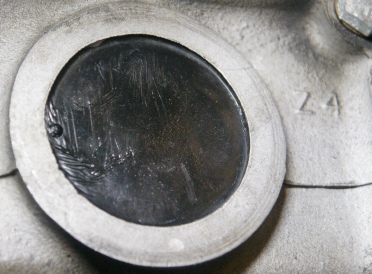

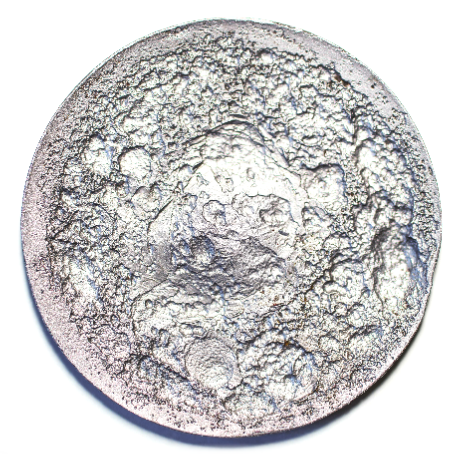
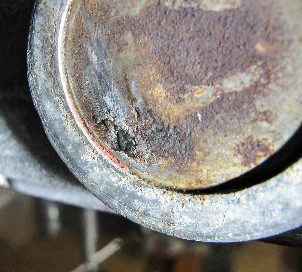
Pressure testing will also show if the core plugs at either end of the cylinder head are sound. We always replace the core plugs whether they pass test or not. The image on the right shows the amount of corrosion from the inside. You should not take a chance with these plugs as they could fail at any time resulting in rapid coolant loss and potential engine overheat damage. Just painting them black on the outside and hoping for the best is not an option.


Internal coating or ceramic sealing as it is incorrectly known can help seal porosity problems within the cylinder head casting. The sealant used in this process is not a ceramic it is a Methacrylate resin. It is applied to a cylinder head in a vacuum chamber or autoclave to draw out all the air prior to introducing the resin. The procedure is usually carried out about three times to help improve effectiveness. This method is an effective way of repairing castings particularly where porosity is a problem. Another misconception and contrary to popular belief is that the resin sealing operation prevents any future porosity or sealing issues. This is not true; the resin offers no protection whatsoever of future corrosion or porosity issues, it only seals the flaws or defects that are present on the day of treatment. If there were no flaws present during treatment no benefits would have been achieved. The process is suitable for both cast iron and alloy castings.


Porous Cylinder Head Under Test Click to view the video.


Porous Cylinder Head Under Test Click to view the video.
The video on the right shows the cylinder head with water and air pressure applied to the cooling cavity within the cylinder head. You can see where this cylinder head is porous and I am sure you will understand the implications this would have if put back into service. The repair for this type of issue is much more difficult than welding a crack or replacing a core plug. Yes we could weld this area and replace the bad metal with good. The problem is porosity in other areas just waiting to break through. I don't think that this problem would have been apparent when the head was new. It is more likely that the dreaded corrosion has eaten its way through the aluminium.
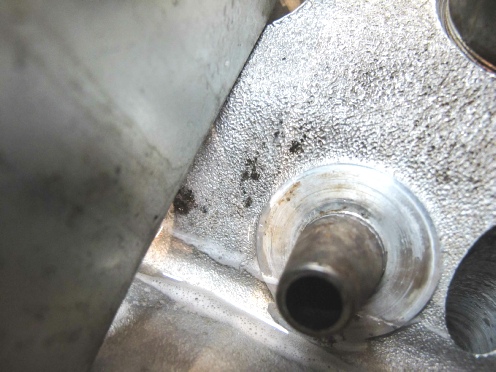
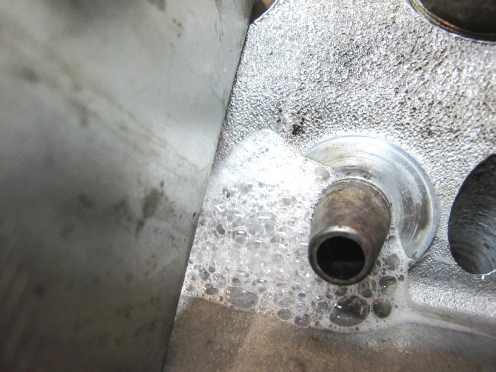
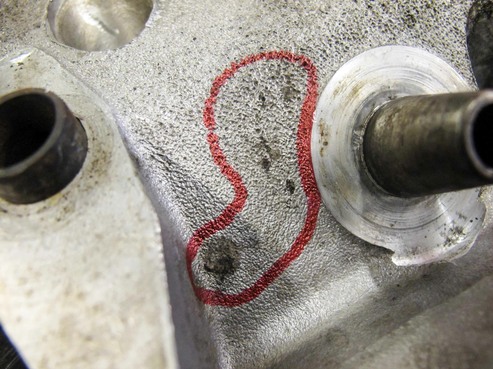
Casting porosity is without doubt the most difficult flaw to identify. The rather innocent looking image here on the right shows an area marked with black, dirty looking spots. These are indeed flaws in the alloy casting straight through into the coolant cavity. The only way to identify this problem is to have your cylinder heads pressure tested. This should be the first phase before any work is carried out on the cylinder head and lets us know exactly what we are dealing with. There is no point in rebuilding cylinder heads that have a hidden fundamental flaw that will cause reliability issues when put back into service.