
J and E Engineering Services Ltd.
Unit 32 Britannia Mill,
Stoneholme Road,
Crawshawbooth,
Rossendale,
Lancashire.
BB4 8BA.
Monday
Tuesday
Wednesday
Thursday
Friday
Saturday
Sunday
8:30am -
8:30am -
8:30am -
8:30am -
8:30am -
9:00am -
Closed
















So there we have it, a close up look at the crankshaft sludge trap and associated problems. I am sure you will agree that the amount of sludge & dirt contained within, is quite alarming. It is also interesting that the quantity of sludge can be inconsistent from trap to trap so if one is relatively clear doesn’t mean the others are. It is important to remove the plugs and clean out the traps every re-
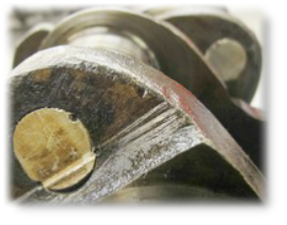
The humble sludge trap plug as utilised in many British Classic car engines, Daimler Jaguar, Triumph, Rolls Royce, Riley to name a few. The need for a sludge trap originates from motorcycle engineering where good, full flow oil filtration was not possible or available. The rotation of the crankshaft creates centrifugal force which enables any carbon deposits, fines, and other impurities to be caught within the sludge trap cavity and not through to the soft white metal bearing surfaces and crankshaft journals. The cross drilling operation during manufacture is made easier when using a large cavity within the crankpin. Sludge traps are a service and maintenance item and must be cleaned out during a full engine rebuild as part of the cleaning process. Sounds straight forward enough……..
The sludge trap blanking plug fortunately has a female broached hexagon to allow the use of a key to aid removal. Originally the plugs were also staked over to help prevent them coming undone in service. The three stakes can be seen here highlighted in green. The plugs are also very tight and years of service can make them difficult to remove using normal methods. Sometimes the plugs have to be removed by drilling or machining being careful not to damage the internal threads. The Daimler V8 crankshaft has four sludge traps and therefore four blanking plugs in total, one for each crankpin.



Early production crankshaft sludge traps were fitted with brass or aluminium threaded bar which was then cut off and ground flat. Some even had a single slot for a screwdriver. This type of plug must be removed by drilling or machining.

All J & E Engineering crankshaft work includes the removal, clean out & replacement of the sludge traps and plugs 100%, guaranteed no question.






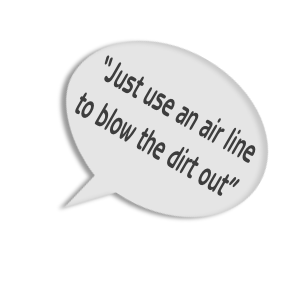





These are just some of the excuses we hear on a regular basis for not removing the sludge trap plugs. If your engine rebuilder says any of these or makes excuses for not removing them simply thank him for his time and walk away. Its that important. There is no point fitting new bearings, re-
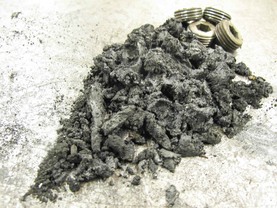
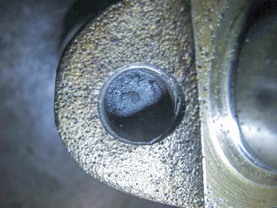
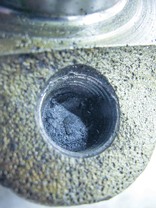
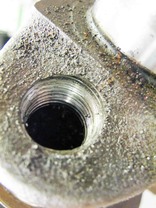

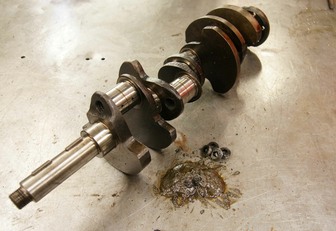
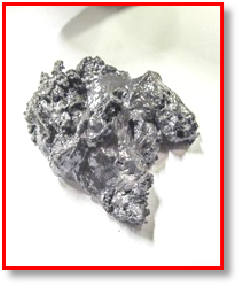
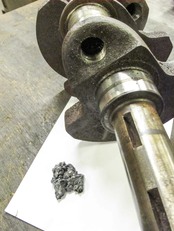
Here you can see a crankshaft with the plugs removed. The chamber is full of congealed oil, metal & other detritus restricting fresh lubricating oil to the big end crank journals (Crankpins). Below, three different crankshafts showing the amount of dirt contained within one sludge trap. The image on the left shows and early SP250 crank with alloy plugs which have been removed by drilling.
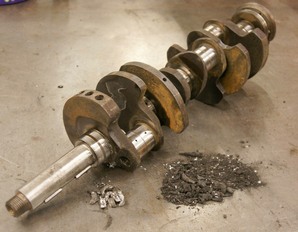

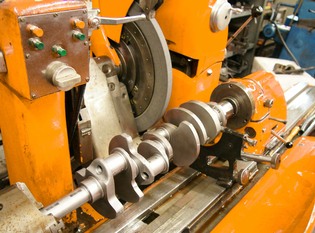
Another important consideration is if your crankshaft requires or has been re-

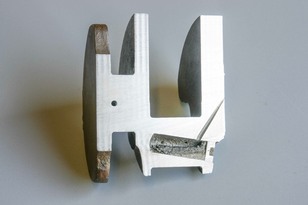
Here you can see a cross sectional view through the crankpins of an SP250 crankshaft without the sludge trap plugs being removed. This enables a good visual representation of the sludge problem within the centrifugal cavity.
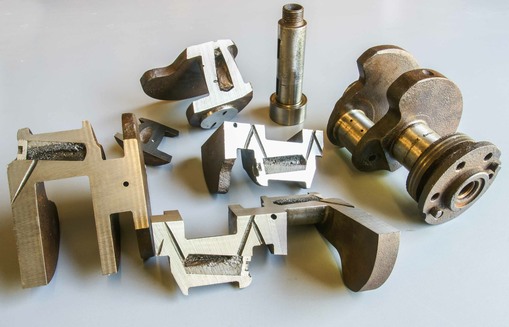

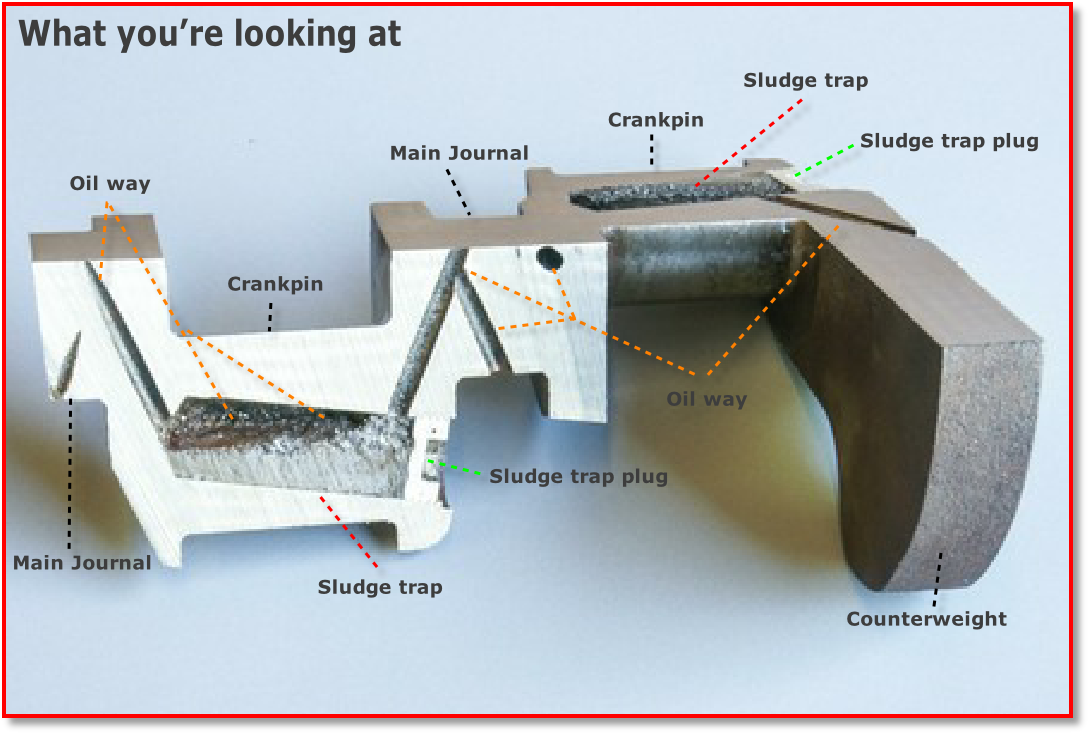
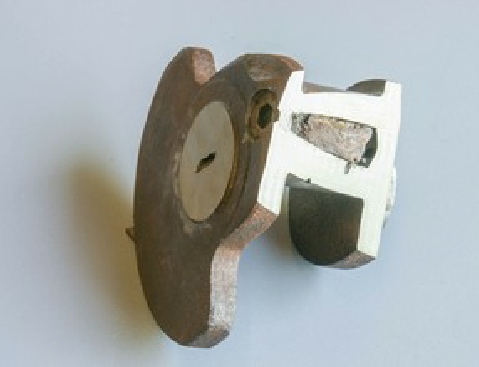
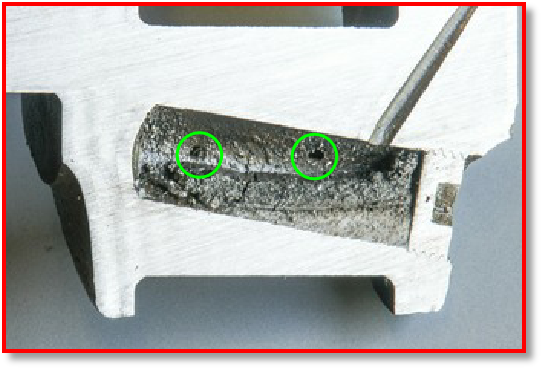
This is an image of number one crank pin with a thin sliver section taken from the top. The sludge trap plug remains largely intact and the threads can just be seen. You can see the large sludge trap cavity and the angle it is drilled. A large quantity of sludge consumes most of the cavity severely restricting the oil flow drillings to the big end journals highlighted in green.
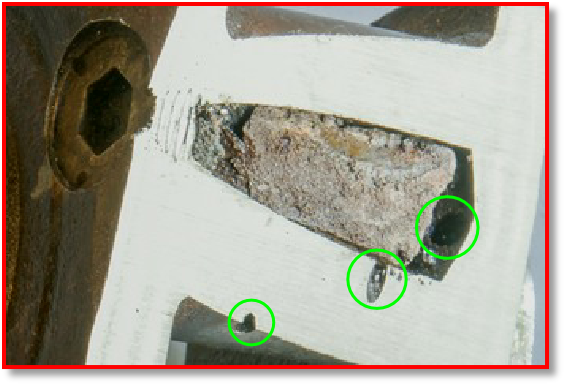

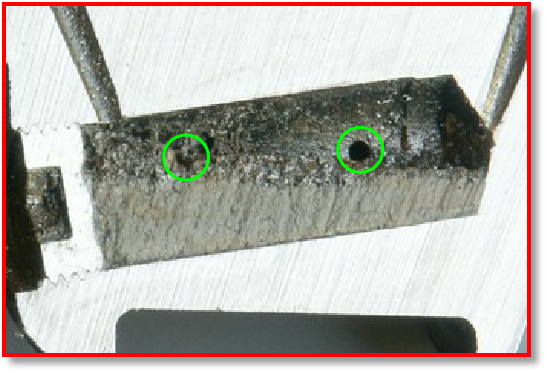

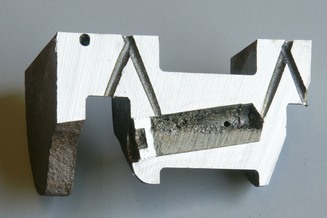
This second cross section shows the sludge cavity cut through its length in half. The plug can be seen with threads and hexagon. A large amount of sludge is backed right up to the plug and fills a good 40 -
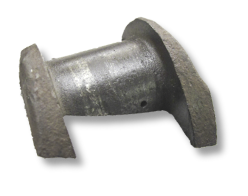
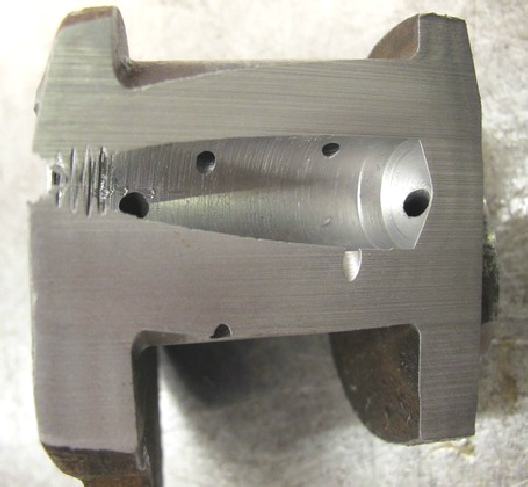

Another section with the sludge cavity cut in half. Both big end journal cross drillings are clearly visible this time as this chamber contains a little less sludge. The main oil feed drilling from the main bearing can also be seen. Interestingly the sludge in this trap looks different from the previous cross section showing a sedimentary line and not quite as much sludge.
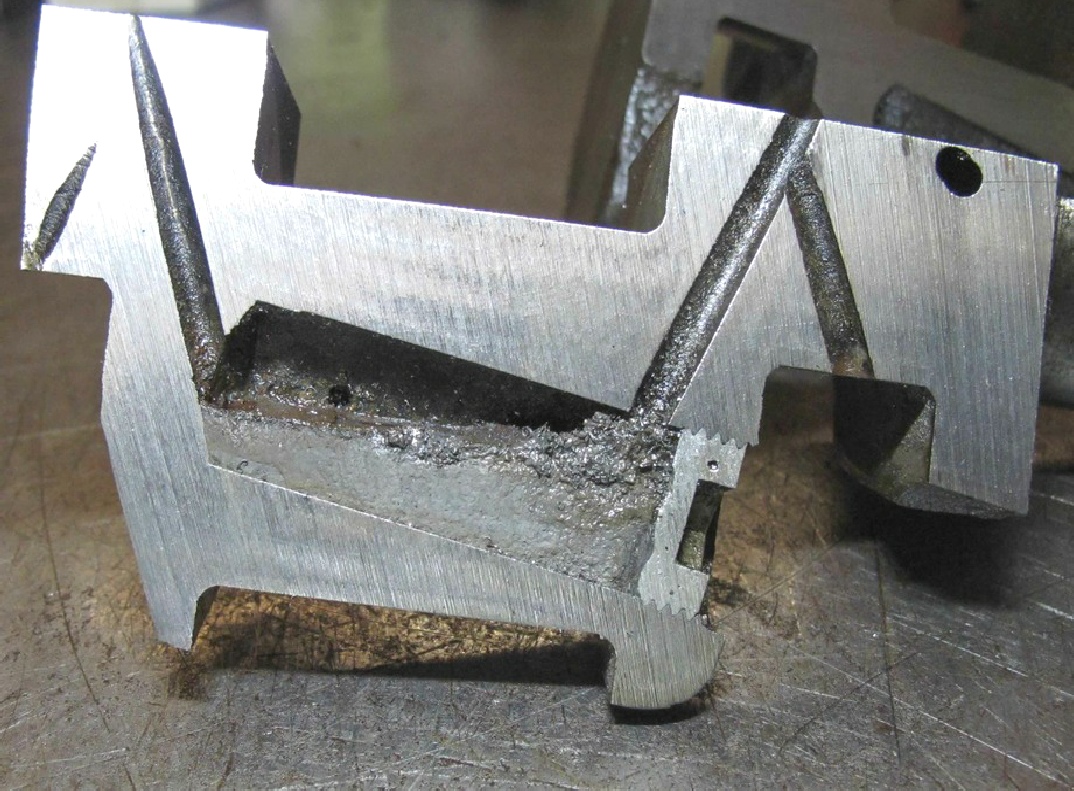
The image on the left shows a properly clean sludge trap with all oil drillings easily visible and clear. You can see that the sludge trap itself is just a large drilling indicated by the point at the end and the relatively rough internal finish. This rough finish may have been acceptable as it will help any sludge cling to the sidewall as intended. Of course this is a demonstration and photographic aid. Sludge traps on a crankshaft that is to be used are cleaned out through the plug hole using a combination of high speed wire brushes, chemical high pressure cleaning and vapour blasting. The oil drillings are then “rodded” clean with a thin stainless steel wire brush. New blanking plugs are then fitted with thread lock to aid retention and sealing. Plugs can then be staked if required although we rely only on plug tightness and thread lock. The crankshaft is then dynamically balanced and journals polished ready to fit. Job Done……
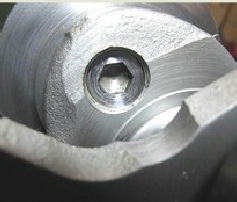
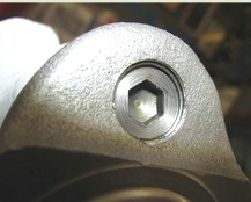
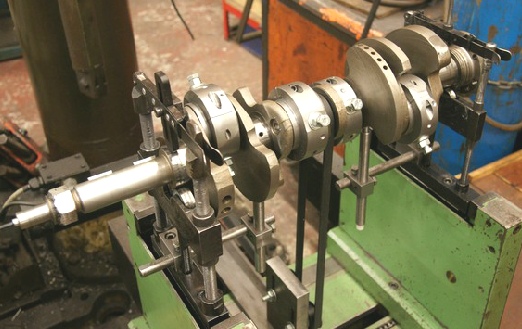
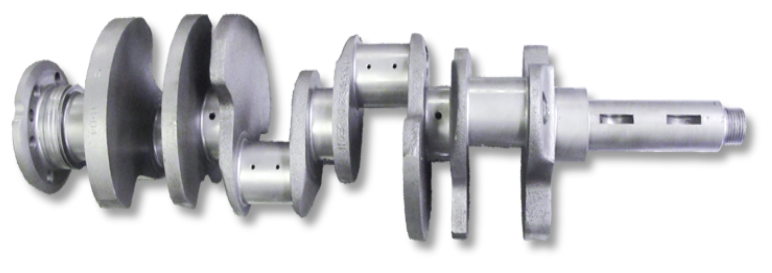


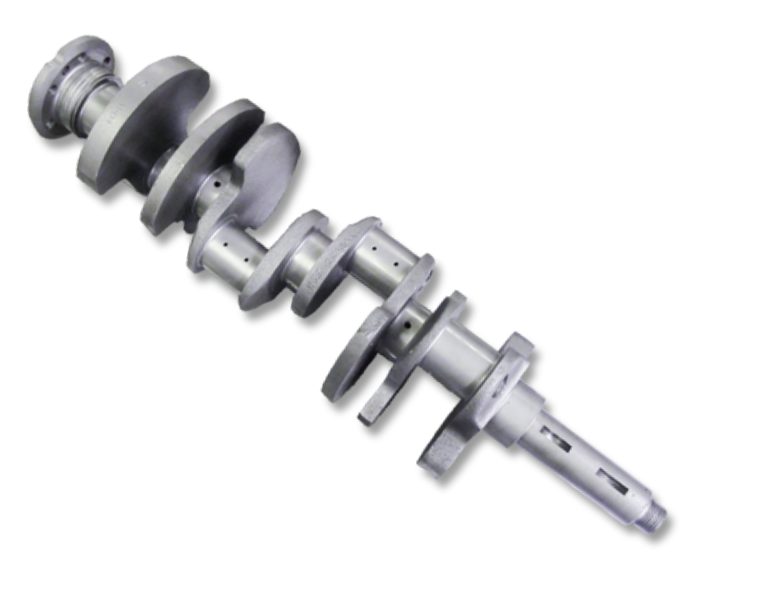
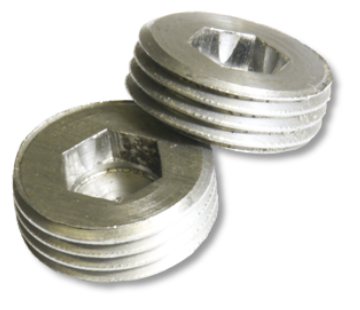
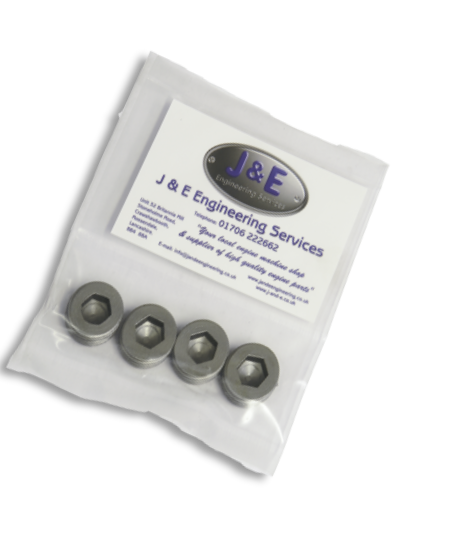
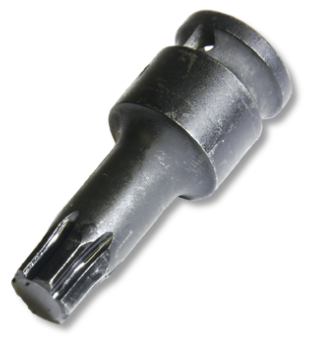
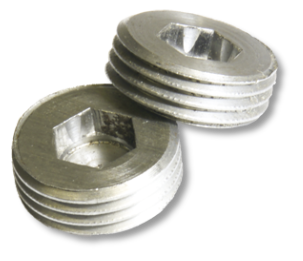
New sludge trap plugs are carried in stock for Daimler SP250 & V8 Saloon as well as Jaguar XK 2.4, 3.4, 3.8 and 4.2 engines. Daimler owners can benefit from a special allen key tool to help remove the plugs. It is the correct imperial size and can be used with an impact gun. We use this tool in our own workshop and it has proven very successful. Made in U.S.A.
Click the info buttons for more information
 Info
Info